Public policies are often created with the goal of solving complex societal challenges, yet their effects are rarely immediate. Many policies target systems such as healthcare, education, or the economy, where change naturally unfolds over time rather than overnight. The process involves planning, implementation, and gradual adaptation by individuals and institutions. Because of these layers, measurable outcomes may take years to fully appear. Understanding why these delays occur can help provide a clearer perspective on how policies function and why patience is often necessary when evaluating their long-term effectiveness.
The Complexity of Policy Design

Public policy design involves addressing issues that are rarely simple or isolated. Most policies are created to tackle problems that span multiple sectors, such as economic inequality, public health, or environmental sustainability. These issues require coordination between various government agencies, private organizations, and community groups. As a result, policies often include multiple components, each with its own set of rules, timelines, and objectives. This layered structure can make it difficult for changes to occur quickly, as each part must function properly within a larger system.
In addition, policy designers must consider a wide range of variables that may influence outcomes. These include economic conditions, demographic trends, and existing legal frameworks. Even with careful planning, it is not always possible to predict every consequence or interaction. Adjustments may be needed after implementation begins, which can further extend the timeline before results become visible. The more complex a policy is, the more time it generally takes for its full impact to emerge and be accurately assessed.
Implementation Takes Time

Once a policy is approved, the process of putting it into action can take considerable time. Implementation often requires funding to be distributed, staff to be trained, and systems to be established or updated. Government agencies may need to coordinate with local authorities and private organizations to ensure that the policy is applied consistently. These steps cannot be completed instantly, especially when the policy operates on a large scale or affects multiple regions. As a result, there is often a gap between when a policy is enacted and when it begins to influence everyday life.
Delays can also arise from administrative procedures and logistical challenges. Regulations may need to be clarified, guidelines developed, and compliance measures enforced. In some cases, infrastructure must be built or improved before the policy can function as intended. These processes require careful planning and execution, which naturally takes time. Even after initial implementation, adjustments may be necessary to address unforeseen issues, further extending the period before measurable outcomes can be observed.
Behavioral and Cultural Changes

Many policies depend on changes in human behavior, which tend to occur gradually rather than immediately. For example, policies related to health, education, or environmental practices often require individuals to adopt new habits or ways of thinking. This process involves raising awareness, providing education, and encouraging participation over time. People may be hesitant to change routines that are familiar, even if new policies are designed to improve outcomes. As a result, the effects of these policies may not become apparent until a significant portion of the population has adapted.
Cultural factors can also influence how quickly a policy takes hold. Social norms, traditions, and community attitudes play a role in shaping behavior. In some cases, it may take years for new ideas to be widely accepted and integrated into daily life. Resistance or skepticism can slow adoption, especially if the policy challenges long-standing beliefs or practices. Over time, however, gradual shifts in behavior and culture can lead to meaningful and lasting change, even if those results are not immediately visible.
Economic and Market Adjustments

Public policies that affect the economy often take time to produce visible results because markets do not respond instantly. Businesses, investors, and consumers typically adjust their decisions gradually based on new regulations, incentives, or restrictions. For example, a policy aimed at encouraging investment in a specific industry may require companies to evaluate risks, allocate resources, and plan long-term strategies before making significant changes. These decisions are rarely immediate, as they depend on market conditions, financial stability, and confidence in the policy itself.
In addition, economic systems operate in cycles that can influence how quickly policy effects become noticeable. External factors such as inflation, interest rates, and global market trends can either accelerate or delay outcomes. Even when a policy is designed to stimulate growth or reduce costs, it may take time for those changes to ripple through the broader economy. As businesses adapt and consumers respond, the cumulative impact becomes clearer, but this process often unfolds over several years rather than in the short term.
Measurement and Data Collection Challenges

Evaluating the impact of a policy requires reliable data, which is not always immediately available. Many policies are designed to produce long-term outcomes, making it difficult to measure success in the early stages. Data collection systems may need to be established or expanded to track relevant indicators accurately. In some cases, it can take years before enough information is gathered to draw meaningful conclusions about whether a policy is working as intended.
Another challenge lies in interpreting the data that is collected. Early results may appear inconsistent or incomplete, especially if the policy has not been fully implemented across all areas. Researchers and analysts must account for variables that could influence outcomes, such as regional differences or unrelated economic changes. This careful evaluation process helps ensure that conclusions are based on accurate and comprehensive information. However, it also means that definitive assessments of a policy’s impact are often delayed.
External Factors and Unpredictable Events
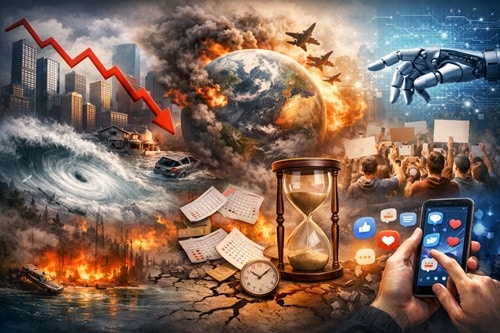
Even well-designed policies can be affected by external factors that are beyond the control of policymakers. Events such as economic downturns, natural disasters, or global conflicts can disrupt implementation and alter expected outcomes. These situations may shift priorities, redirect resources, or create new challenges that were not anticipated when the policy was created. As a result, the timeline for achieving intended results can be extended significantly.
Unpredictable changes in technology or public behavior can also influence how a policy performs over time. For instance, advancements in technology may change how industries operate, requiring adjustments to existing regulations. Similarly, shifts in public opinion or unexpected societal trends can impact how a policy is received and applied. Because these factors cannot always be predicted, policies must often adapt to evolving conditions. This ongoing adjustment process can delay the point at which clear and measurable impacts become visible.
Long-Term Goals Versus Short-Term Expectations
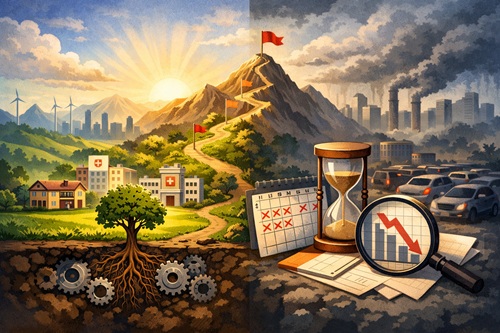
Many policies are designed with long-term objectives in mind, focusing on sustainable improvements rather than immediate results. These goals often involve addressing deep-rooted issues such as economic stability, public health outcomes, or educational advancement. Because these challenges develop over extended periods, meaningful progress typically requires consistent effort and time. Short-term evaluations may not capture the full scope of a policy’s effectiveness, especially when early stages are focused on building foundations rather than producing visible outcomes.
At the same time, there is often a gap between public expectations and the actual timeline required for change. Individuals and organizations may anticipate quick results, particularly when policies are introduced to address urgent concerns. When outcomes are not immediately apparent, it can lead to uncertainty or skepticism about the policy’s effectiveness. However, long-term strategies are often necessary to create lasting and meaningful change. Recognizing the difference between short-term observations and long-term impact helps provide a more accurate understanding of how policies achieve their intended results over time.
Why Policy Outcomes Require Time
Public policies often take years to show their full impact due to the combination of complex design, gradual implementation, and the need for widespread behavioral and economic adjustments. Each stage, from planning to execution and evaluation, introduces factors that extend the timeline for visible results. External events and data limitations can further influence how outcomes unfold over time. While short-term expectations may focus on immediate change, many policies are built to create lasting improvements. Understanding these timelines allows for a more accurate assessment of effectiveness and highlights the importance of patience when evaluating long-term policy success.
