Political scandals have left an indelible mark on the history of nations, often shaking the foundations of governance and eroding public trust. These scandals, ranging from corruption and cover-ups to personal misconduct, serve as powerful reminders of the fallibility of those in power. Understanding these events is crucial for fostering a more transparent and accountable political system. This article explores some of the most significant political scandals in American history, examining their causes, key players, and the profound impacts they had on the nation’s political landscape. Through these cases, we gain insights into the mechanisms of power and the importance of vigilance in maintaining democratic integrity.
Watergate Scandal

The Watergate scandal, one of the most infamous in American history, began with a break-in at the Democratic National Committee headquarters in 1972. This event, orchestrated by members of President Richard Nixon’s re-election campaign, set off a chain of events that would unravel the presidency. The subsequent cover-up, involving high-level officials, highlighted the extent of corruption and abuse of power within the Nixon administration. The scandal’s exposure was largely due to the relentless efforts of journalists Bob Woodward and Carl Bernstein, whose investigative work brought the truth to light.
The fallout from Watergate was profound, leading to President Nixon’s resignation in 1974, the first and only resignation of a U.S. president. The scandal resulted in widespread cynicism and distrust towards government officials, prompting significant reforms aimed at increasing transparency and accountability in government. The legacy of Watergate endures as a cautionary tale of the dangers of unchecked political power and the vital role of a free press in safeguarding democracy.
Iran-Contra Affair

The Iran-Contra Affair, a complex political scandal of the 1980s, involved secret arms sales to Iran and the illegal diversion of funds to support Contra rebels in Nicaragua. This covert operation, conducted by members of the Reagan administration, bypassed congressional authority and violated U.S. law. The scandal came to light in 1986, revealing a web of deceit and unauthorized actions that shocked the nation. Key figures, including Lieutenant Colonel Oliver North, became central to the investigation and subsequent hearings.
The exposure of the Iran-Contra Affair led to a significant political crisis for the Reagan administration. Congressional hearings and investigations revealed the extent of the administration’s clandestine activities, leading to several indictments and convictions. Although President Reagan managed to complete his term, the scandal tarnished his legacy and raised serious questions about the limits of executive power. The affair underscored the need for rigorous oversight and the dangers of circumventing established legal processes.
Monica Lewinsky and the Clinton Impeachment
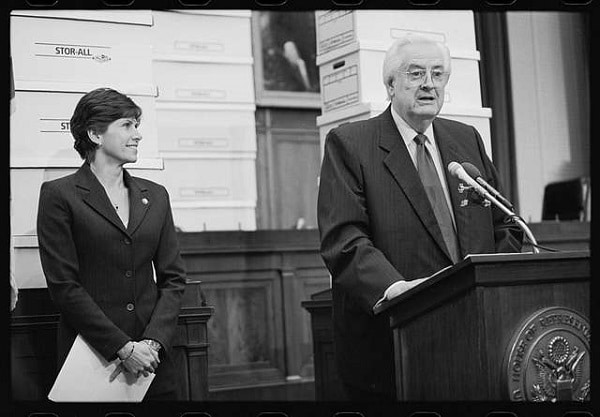
The scandal involving President Bill Clinton and White House intern Monica Lewinsky in the late 1990s was a watershed moment in American political history. The revelation of their extramarital affair and Clinton’s subsequent attempts to deny it under oath led to a media frenzy and a polarized political climate. Special Counsel Kenneth Starr’s investigation into the matter brought to light evidence of perjury and obstruction of justice, culminating in Clinton’s impeachment by the House of Representatives in 1998.
The impeachment trial in the Senate, however, did not result in Clinton’s removal from office, as he was acquitted on both charges. The scandal had a lasting impact on American politics, highlighting the intense scrutiny of personal misconduct and its implications for public officeholders. Clinton’s approval ratings remained relatively high despite the scandal, reflecting a complex public response that separated personal indiscretions from professional capabilities. The affair and impeachment emphasized the delicate balance between personal behavior and political accountability, shaping future discourse on political ethics.
